


I was about to post a very consensual editorial about the saga surrounding my first-ever issue when, by chance, an Instagram post caught my eye. The post linked to an article in an Australian newspaper, referencing a Michelin-starred chef’s memoir. The topic? I quote: “The sour impact food media has had on restaurants—the perils of hats, stars, and best-of lists.” It was a plea for the industry to take back control, to stop pandering to a system that was never truly independent, never properly informed, and never quite as expert as it claimed to be. Well, isn’t that the truth? The same thing happens in travel media when it comes to hotels. As Chef Neil Perry put it, “If you’ve got enough followers, you’re an expert.”
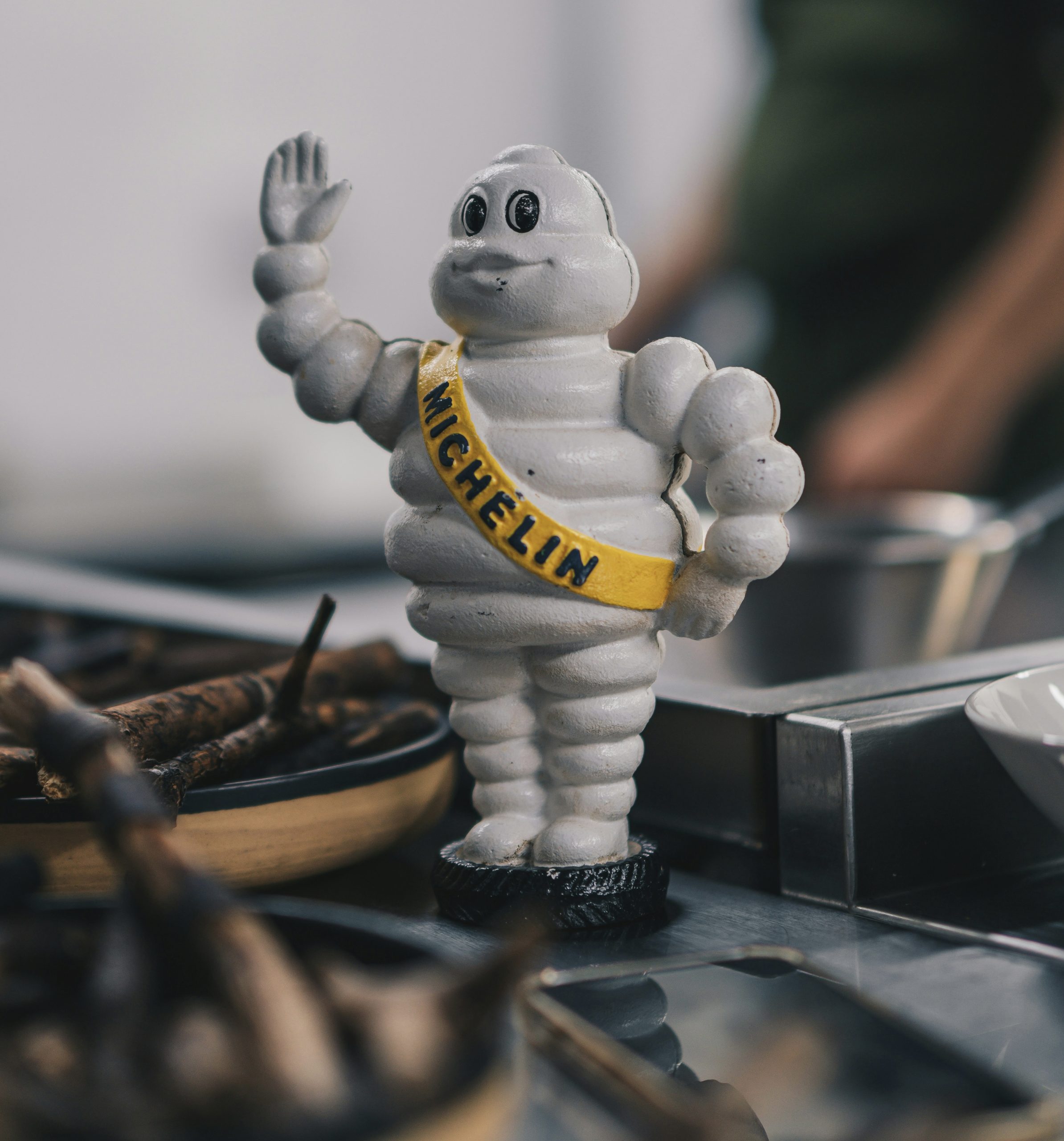
This brings me to Michelin Guide’s latest release of its “Keys”—their equivalent of stars for hotels. And since I’m headed to Thailand this winter, naturally, I took a look. Who wouldn’t? After all, Michelin is the reference—the so-called bible of fine dining, and now hotels. As a child, I would pore over that little red book during road trips through France with my parents. So, I was rather shocked by what I saw this time. Sure, some properties—like The Siam or Amanpuri—are absolutely deserving. But the choices in the two-key category? Some are just… shocking.
Rosewood Phuket, really? It’s one of their absolute worst-designed properties in one of the island’s less desirable locations—not just according to me, but according to many of you as well. And yet, there it is, rubbing shoulders with the supposed best. Makes perfect sense, doesn’t it?
What’s also interesting is which properties are prominently featured on their website summarising the winners—not based on merit, in my humble opinion, but most likely on excellent PR. If they select their restaurants the way they pick their hotels, it’s another guide I might toss out the window before going out for dinner.
Recently, a hotel veteran I met in Portugal asked for my opinion on Forbes Travel Guide. I told him that, in my view, it’s completely irrelevant. Take their Bali recommendations, for example: Anantara Seminyak (nothing against it, but it’s still listed even though it left the portfolio and rebranded over a year ago—fact-checking clearly not their strong suit). Then there’s the ghastly 290-room Ayana Resort, awarded 4 stars, as was the W—both somehow ranked in the same league as Amankila. Ahem!
And, of course, it’s the season for “best” lists again after a brief summer reprieve—at least two were published in the same week. The “50Best” just released its second edition, and somehow, Capella Bangkok was crowned the best hotel in the world. A good hotel, yes. The best in the world? Certainly not. As for my favourite, and most surprising, Desa Potato Head in Bali—it made the list for a second time, though, as one reader pointed out, it wouldn’t even crack the top 50 on TripAdvisor. An hotelier I know, whose property ranked high on this same list, didn’t hold back—he called it the“50B…T List” if you catch his drift.
Then there’s Condé Nast(y) (which would go broke without hotel advertising revenue) back in full force with yet another list—their ‘Readers’ Choice Awards’, which seems to be all they publish these days. And again, the results are utterly incomprehensible and random. And, as usual, some of the top picks leave you wondering: who exactly are these readers?
The top hotel in the rest of Asia? Galle Face Hotel in Sri Lanka, with a score of 99.33%. That’s a number more reminiscent of a Central Asian dictator’s election results. I stayed in their Presidential Suite last year, and I’m thankful it was just for one night. It was easily one of my worst hotel experiences: with the exception of the front desk, the service was inept, the food inedible, and half the hotel hasn’t seen a renovation in decades. And the best hotel in Asia? The Sukhothai Shanghai, with a score of 99.89%—a hotel I didn’t even know existed. Meanwhile, Potato Head once again reappears with yet another incredible score, which says one thing: their PR team is top-notch.
In Greece, Eliamos, a Relais & Châteaux property, was ranked the second-best hotel, but I’d suggest waiting for my review in December before booking the first flight to Kefalonia. The owner, who listened to my quick assessment just before I left (after realising what my job was), agreed with my conclusions.
So there you have it—more lists, more nonsense, and I’m still trying to make sense of it all. Of course, it’s excellent publicity. Hotels will market these awards to death, believe their own hype, and the cycle continues.
As for me, I won’t be publishing a Readers’ Awards list this year, but I will share my top choices for 2024 soon. Stay tuned.
Happy Gallivanting!